
ICTB Herbarium

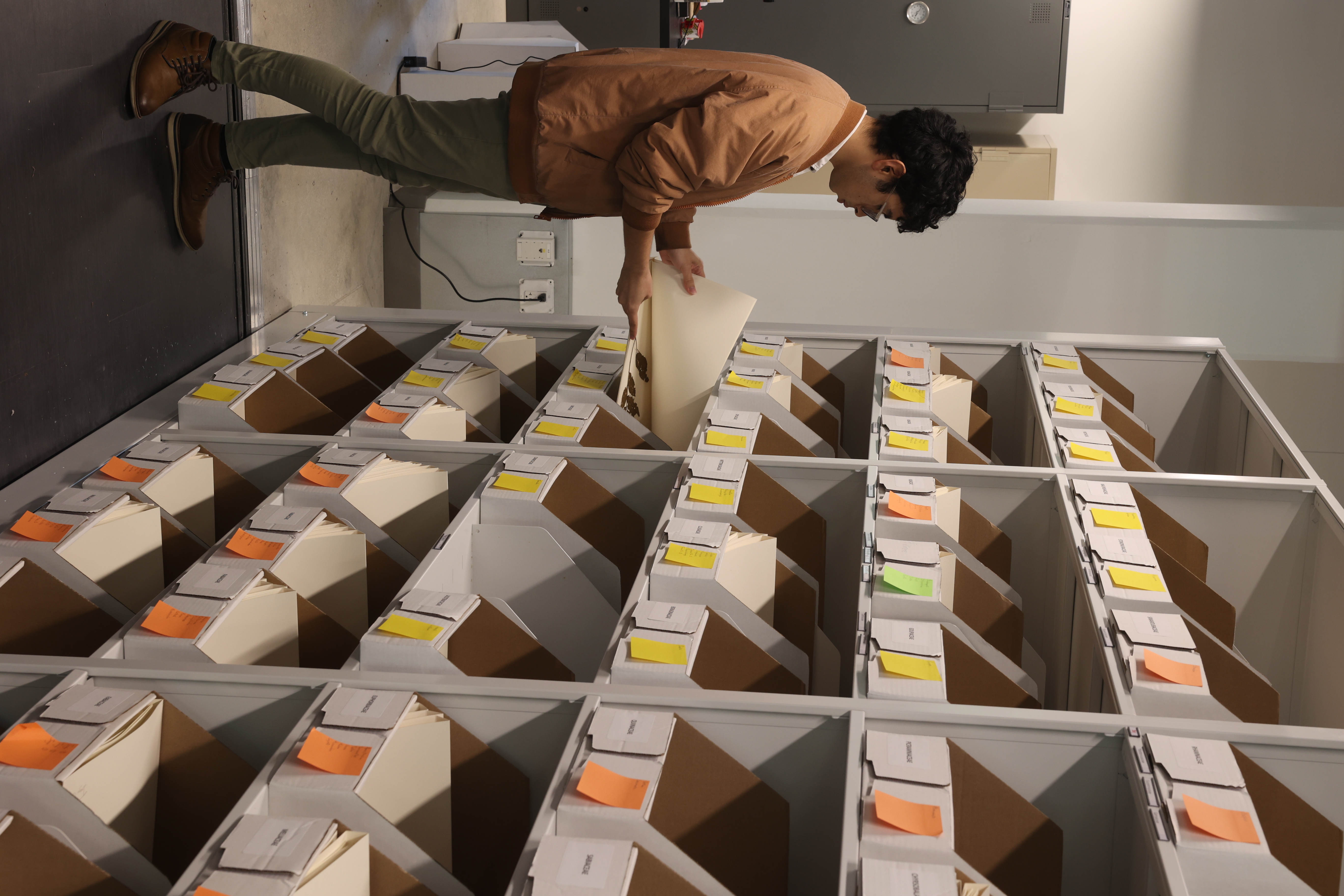
The Research and Education building of the International Center for Tropical Botany at The Kampong features a state-of-the-art herbarium facility (ICTB), with capacity for up to 150,000 accessions. The facility has its own HVAC system, which guarantees relative humidity below 50% and includes emergency power backup autonomy of at least 6 days with its own dedicated generator.
 

The primary purpose of the facility is to support research of Neotropical flora, especially monitoring of tropical forests. Indeed, one of the principal objectives of the new facility will be to help coordinate the taxonomic determinations of Neotropical forest monitoring plots (see Baraloto et al. 2021, Ecological Monographs).


amazontraits.jpg
The ICTB also supports research that integrates tropical biodiversity science in two key ways.

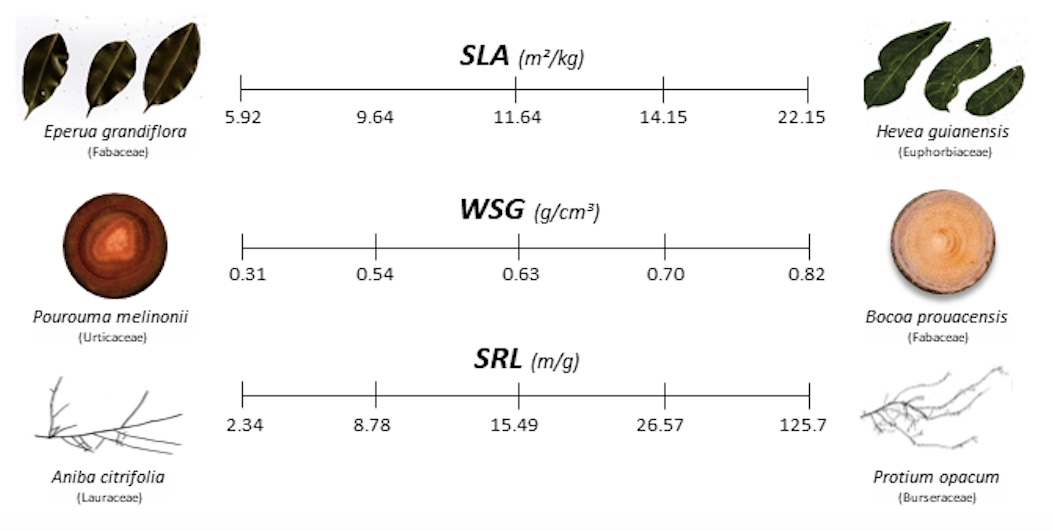
First, we curate tissue samples that are linked to vouchered accessions (and often permanent monitoring plots), in addition to samples stored for associated molecular genetic analyses. We have a growing collection of root, stem and leaf tissues for functional trait analyses based on a strong taxonomic foundation (see Fortunel et al. 2013, Journal of Ecology and Vleminckx et al. 2021, Oikos). An online database is forthcoming.
Second, we curate associated biodiversity samples that are linked to vouchered accessions of plant hosts, including microbial communities associated with roots (and leaves), as well as invertebrates involved in pollination and/or herbivory (see Vleminckx et al. 2019, Scientific Reports). An online database is forthcoming.


An important objective of the ICTB collections is to support education and training of the next generation of tropical biodiversity scientists. The collections complement living collections in South Florida as a foundation for our legacy Tropical Botany course.

In addition, we are working to develop collections of all 2100 genera to appear in the revised Gentry field guide to Neotropical woody plants, to be completed very soon!

We welcome students and scientists to visit the facilities and make use of these extensive collections.

herbarium3.jpg